
Playing Blackjack Hard Hands Strategy With Confidence
Blackjack rewards discipline more than luck, and that is where a solid blackjack hard hands strategy earns its keep. For punters down under, understanding when to stand, hit, or double on a stiff total can separate a casual session from a costly one. I have watched players across Melbourne venues and online rooms chase draws that never arrive, so the aim here is to keep the maths honest and the decisions readable.
What Counts as a Hard Hand at the Table
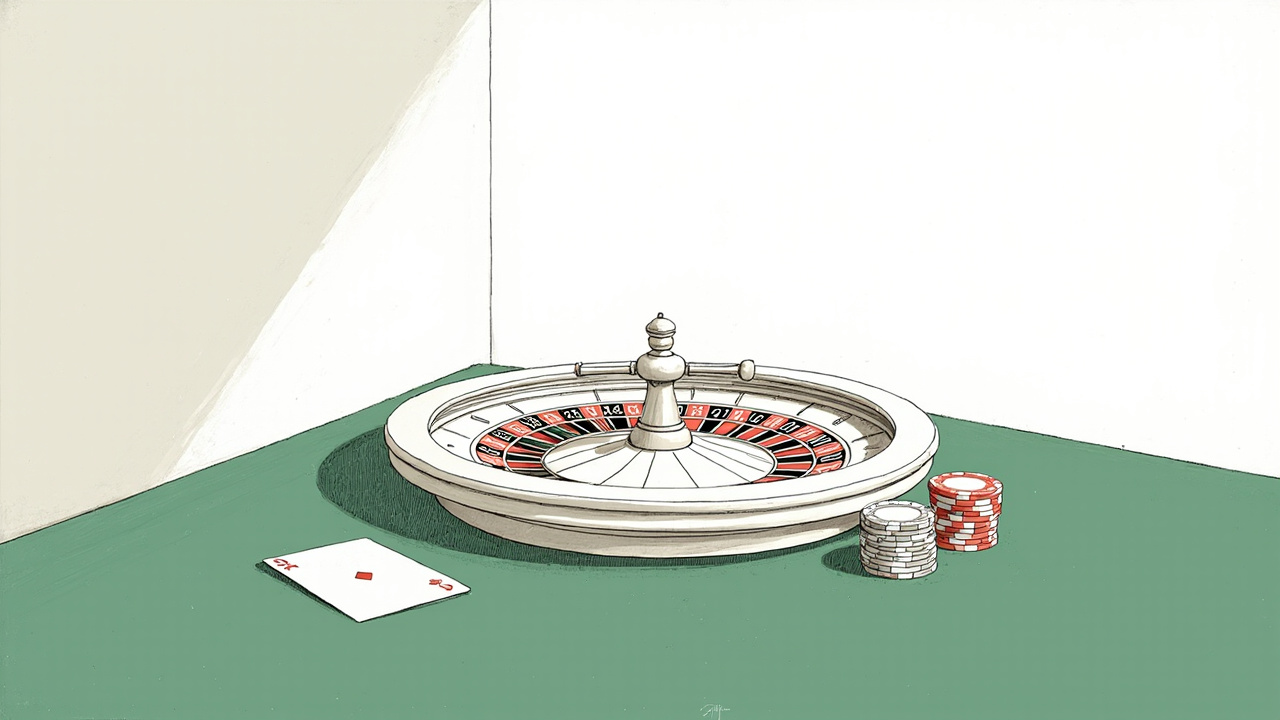
A hard hand is any two-card total that does not contain an ace, or a total where the ace can only count as one without busting. That means sixteen, fourteen, and twelve all sit in the hard category, and they behave differently from soft totals that can flex. The core of any blackjack hard hands strategy is accepting that these hands are fragile, and the right move depends on the dealer’s upcard rather than hope. In my experience working VIP retention across Japanese and French markets, players who memorise rigid charts without reading the table tend to overbet on marginal spots, so I always push for context first. The dealer’s visible card tells you whether to press on or fold the hand quietly, and that single habit keeps the variance manageable.
Reading the Dealer’s Upcard Before You Move
When the dealer shows a weak card like five or six, the house edge tilts toward the player, and that is the moment to stand more often on hard totals near sixteen. Pushing for twenty-one on a hard twelve against a dealer five is a common mistake, because the dealer is likely to bust and you only need to outlast them. I have run retention calls in Mandarin-speaking rooms where guests doubled down on hard eleven without checking the upcard, and the loss rate spiked because they ignored the visible maths. The safer call is to hit until you reach seventeen or higher, then stop and let the round settle. If you prefer a quieter pace, you can compare table rules at spinago pokies and see how their blackjack layout handles late surrender and doubling windows. That kind of detail matters because a table that restricts doubling on hard hands quietly drains the edge you worked to protect.
The next layer is knowing when to double on hard totals, and that decision belongs to specific spots rather than a blanket habit. Hard eleven is the clearest doubling candidate, especially when the dealer shows anything except an ace, because the odds of drawing a ten-value card are strong enough to justify the risk. Hard ten against a dealer two through nine is another spot where doubling pays, provided the table allows it and your bankroll can absorb the swing. I have seen French-market regulars treat doubling as a reflex, which turns a sensible edge into a fast bleed, so I always frame it as a selective tool rather than a default. The same discipline applies to splitting, because hard hands do not split in the same way soft totals do, and forcing a split on a weak pair often creates two losing hands instead of one manageable one.spinago pokies
When to Hit, Stand, or Double on Stiff Totals
Standing on hard sixteen against a dealer seven or higher is a painful call, but it is the mathematically cleaner choice because hitting usually turns a losing hand into a busted one. The discomfort of standing on a weak total is real, and I tell guests in Melbourne lounges to expect that feeling rather than fight it with impulsive hits. When the dealer shows a strong card, your job is to keep the hand alive and hope the dealer misdraws, not to chase a perfect score that rarely arrives. Doubling on hard nine is more selective, and it only makes sense when the dealer is vulnerable and the table rules support it, so I treat it as a timed opportunity rather than a routine. The broader point is that a working blackjack hard hands strategy is built on restraint, because the hands that feel urgent are usually the ones that punish impatience.
Player Fit for Australian Sessions
For Australian adults who want a structured blackjack session rather than a fast burn, this approach suits anyone comfortable with patience and basic arithmetic. It is a better fit for punters who can sit through a few quiet rounds without chasing every weak total, and it works best when the table rules are clear before you sit down. I would not recommend that kind it for players who need constant action, because hard hands demand restraint and that can feel slow on a busy arvo. If your priority is keeping decisions readable and your bankroll steady, the strategy holds up well, and you can always step away when the table turns choppy.

The real test is whether you can follow the chart when the pressure rises, because that is when most players drift from the plan. I have handled VIP retention across several markets, and the guests who keep their hands disciplined are the ones who return for another session instead of chasing losses into the night. For a Melbourne weekend session or a quiet online round, the same rule applies: read the upcard, respect the hard total, and let the maths do the heavy lifting.
